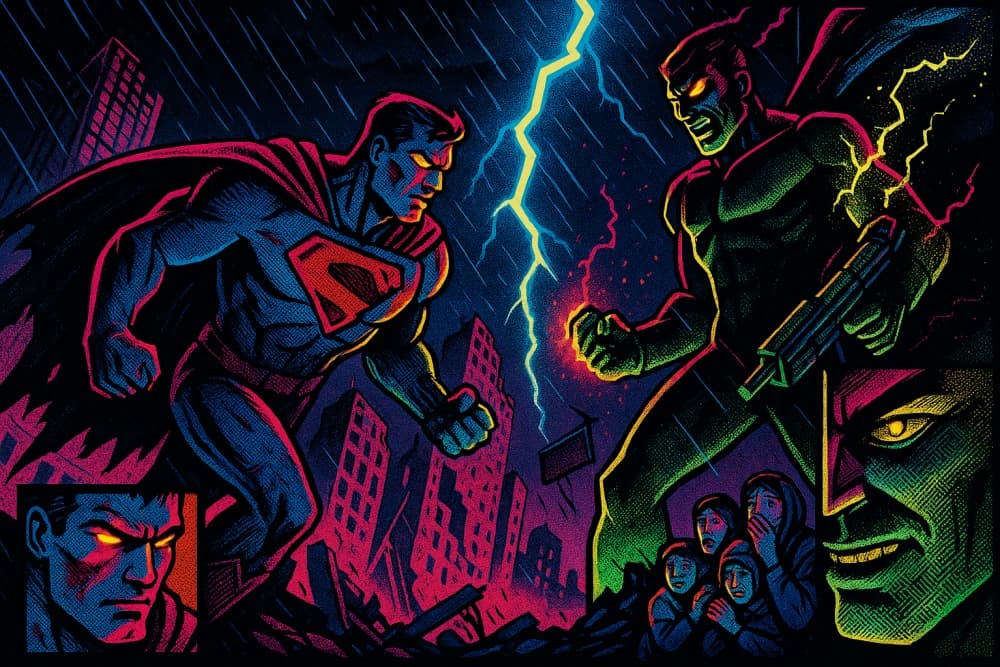
Before the Code: The Wild, Weird World of Pre-Code Comics
The golden age of comics wasn't just about caped crusaders and boy scouts. Before the Comics Code Authority established its iron grip on content in 1954, comic books were a wild frontier of storytelling that pushed every conceivable boundary.
The Unregulated Era
In the late 1940s and early 1950s, comic books exploded in popularity. Publishers discovered that readers craved more than just superhero adventures. Horror, crime, and romance comics flooded newsstands, featuring content that would make modern audiences gasp.
The pre-code era was when comics truly became an art form, unshackled by censorship and driven purely by creativity and reader demand.
EC Comics led the charge with titles like "Tales from the Crypt" and "Vault of Horror," delivering gruesome stories with shocking twist endings. These weren't comics for children - they featured:
- Explicit violence and horror imagery
- Moral ambiguity and complex narratives
- Social commentary challenging post-war values
- Provocative artwork pushing artistic boundaries
Most Iconic Pre-Code Publishers
Here's a breakdown of the major players in the pre-code era:
| Publisher | Notable Titles | Genre Focus | Collectibility |
|---|---|---|---|
| EC Comics | Tales from the Crypt, Vault of Horror | Horror, Crime | Extremely High |
| Atlas Comics | Adventures into Terror, Strange Tales | Horror, Western | High |
| ACG | Adventures into the Unknown | Supernatural | Moderate-High |
| Fox Comics | Phantom Lady, Crimes by Women | Crime, Adventure | Very High |
The Controversy Builds
As these edgy comics gained popularity, so did criticism. Psychiatrist Fredric Wertham's 1954 book "Seduction of the Innocent" blamed juvenile delinquency on comic books, sparking nationwide moral panic. Senate subcommittee hearings followed, putting the entire industry under scrutiny.
Key Events Leading to the Code
- 1948 - First public outcry against crime comics begins
- 1950 - Several cities ban comic book sales to minors
- 1954 - Wertham publishes "Seduction of the Innocent"
- April 1954 - Senate Subcommittee hearings on juvenile delinquency
- October 1954 - Comics Code Authority established
Publishers faced a choice: government regulation or self-regulation. They chose the latter, establishing the Comics Code Authority - a strict set of guidelines that would sanitize comics for decades.

Collecting Pre-Code Comics Today
Pre-code comics are now among the most valuable and sought-after collectibles in the hobby. First appearances, classic horror covers, and controversial issues command premium prices at auction.
Investment Value Factors
Understanding what drives pre-code comic values:
- Condition rarity - Most pre-code books were read and discarded
- Historical significance - Books that triggered the most controversy
- Artistic merit - Iconic covers and influential interior art
- Cultural impact - Issues that defined the era
Protection is Essential: Given their age and value, proper insurance coverage for pre-code comics is crucial. These books are irreplaceable pieces of cultural history that deserve specialised protection.
For more information on protecting your valuable collection, visit Comicsure's comic book insurance page.
The Legacy
The pre-code era lasted only about 15 years, but its impact on comics culture is immeasurable. These books represent a time when creators took risks, challenged norms, and proved that comics could be a sophisticated storytelling medium.
Without the pre-code era, we wouldn't have the mature, sophisticated comic narratives we enjoy today. It proved that sequential art could tackle any subject matter.
Today's comic collectors view pre-code books not just as investments, but as important artifacts from a revolutionary period in publishing history. They remind us that comics have always been at their best when pushing boundaries and challenging expectations.